จานดาวเทียม นั้นมีประโยชนืมาก สำหรับการใช้งาน เบื่อรับฟังแะลรับชมข่าวสารความบันเทิงได้ตลอด 24 ชั่วโมง ด้วยความรวดเร็วแบบ realtime ทำให้ จานดาวเทียมได้รับความนิยมอย่างแพร่หลาย จนในปัจจุบัน มีผู้ให้บริการ และ สินค้า ประเภทจานดาวเทียมจำนวนมาก
ซึ่งจานดาวเทียมทำหน้าที่รับสัญญาณภาพและเสียง จากผู้ให้บริการรายต่างๆ ซึ่งปัจจุบันก้มากตามจำนวนผู้ผลิตดาวเทียมตามไปด้วย
วันเสาร์ที่ 5 ธันวาคม พ.ศ. 2552


วันจันทร์ที่ 23 พฤศจิกายน พ.ศ. 2552
Big Ben
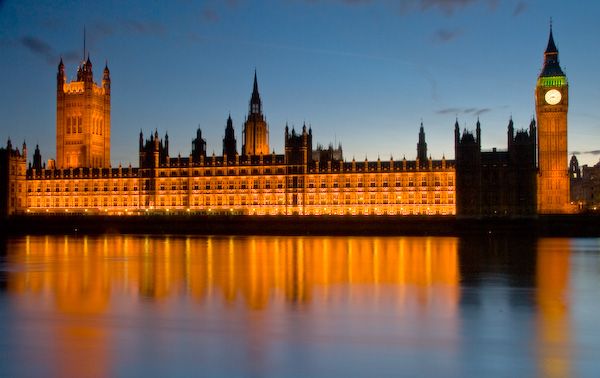
When most people heat the words "Big Ben" they immediately conjure up an image of the striking Victorian Gothic structure of the clock tower of the Palace of Westminster (the Houses of Parliament). Let's clear up a common misconception first; technically speaking, the name "Big Ben" does not refer to the famous tower, nor to the four huge clock faces of this London landmark; instead, it refers to the largest of the five bells inside the clock tower, whose chimes are such a familiar sound to listeners to BBC radio over the years.
The tower was begun following the disastrous fire which destroyed the old Palace of Westminster in 1834. Charles Barry was given the contract to rebuild the Palace, and his designs included a clock tower.
The Tower
The clock tower of the Palace of Westminster took 13 years to build, and was completed in 1856. The tower is 316 feet high. The spire that rises above the belfry is built with an iron frame, and it is this frame which supports the weight of the bells. A staircase rises up inside the tower, and a climb is rewarded by excellent views from the belfry level. Several small rooms are built into the lower part of the tower, including a small prison cell.
The Clocks
The cast iron frame of the clock face was designed by AW Pugin, who was responsible for much of the Gothic decorative elements of the Palace of Westminster. The dials are 23 feet in diameter and the faces themselves are not solid, but is composed of many small pieces of opal glass, assembled like a stained glass window. Several of the central pieces of glass can be removed to allow inspection of the hands from inside the clock tower. The numbers on the clock faces are each two feet high. An inscription in Latin below each clock face translates as "God save our Queen Victoria I".
At the time of its construction the clock mechanism was easily the largest in the world, and it is still among the largest today. The clock mechanism, designed by Edmund Beckett Denison, has proven to be remarkably accurate over the years, allowing small adjustments to the clock's rate to be made by placing pennies on a small shoulder of the clock's pendulum!
The Hour Bell
Big Ben - the hour bell - is said to have been named after Sir Benjamin Hall, Commissioner of Works, who was known for his bulk, as is the bell! The first Big Ben hour bell was complete before the tower, so the bell was hung in New Palace Yard. After repeated public ringing the bell cracked, and had to be replaced by the current bell.
http://www.britainexpress.com/London/Big_Ben.htm
BA London Eye
The London Eye is London's newest major tourist attraction. It is a huge wheel designed to celibrate the Millenium year 2000. It stands at Millenium Pier, on the South Bank of the River Thames, close to the south end of Westminster Bridge, and within an easy walk of the Houses of Parliament and Big Ben. Visitors climb aboard glass-encased capsules for a leisurely circular orbit, high above the Thames, allowing spectacular views across London and far beyond. Though it looks like a huge ferris wheel, the London Eye is no fairground thrill-ride, but a slow and stately way to experience London in a unique way.
London Eye Frequently asked questions
When was the London Eye built?
The Eye was built between 1998 and 2000. It seems remarkable that a site that has so quickly become a symbol of modern London has been around for such a short time! It took fully seven years from start of the design process to create the Eye. It was intended to stand for only a few years, but it proved to be such a popular attraction that the decision was made to make the wheel a permanent feature of the London landscape. The Eye was sponsored by British Airways, and for several years after opening it was referred to as the British Airways Millenium Wheel. Today the London Eye is under the ownership of the London Eye Company, a subsidiary of Merlin Entertainments Group Company.
How long does it take to go around?
Each rotation of the wheel takes about 30 minutes, which translates to a speed of about 0.9km (0.6 miles) per hour, or approximately twice the speed of a land tortoise in top gear! In practice this means that you get plenty of time to enjoy the view. And the view is enhanced by the capsule design; unlike traditional ferris wheel designs that you might see at a local fairground, the capsules are not suspended under the wheel, they are set within a circular mounting ring attached to the outside surface of the wheel. What this means in practice is that travelers within the capsule have a full 360 degree panoramic view, unhindered by spokes of wheel struts.
How tall is the London Eye?
The London Eye is 135m (approximately 443 feet) high, making it the fourth highest building in London, after BT Tower, Tower 42 and One Canada Square. The Eye measures 424m (1.392ft) in circumference. The wheel is supported on huge A-frame legs, made up of 2200 tonnes of concrete on 44 concrete piles set 33 metres deep in the earth.
Who designed the London Eye?
The Eye was built to a design by the husband and wife team of David Marks and Julia Barfield. The Eye was created as a symbol for the end of the 20th century, and it opened to the public in march, 2000. Since that time it has become the most popular visitor (paid) attraction in he UK. Over 3.5 million visitors enjoy the London Eye every year, and on a clear day those visitors can see as far as 25 miles, or all the way to Windsor Castle. There are 32 capsules attached to the wheel, one for each of the 32 boroughs of the city of London.. Each capsule has bench seats, and its own heating and cooling system. Each capsule weighs 10 tonnes. In total, up to 800 passengers can travel in the Eye at any one time. The wheel and capsules combined weigh at total of 2,100 tonnes. Each capsule is formed of glass panels on a steel frame, allowing maximum visibility, and is regulated by a mechanism that keeps it perfectly level at all times.
At the time of this writing the London Eye is open to visitors all year round, with the exception of New Years Day, Christmas Eve, and Christmas Day. For current opening times and charges, please visit the London Eye website. You can book a regular 'flight' but there are a variety of special flights available, including a private capsule, or, if you're feeling romantic, a Cupid's Capsule flight, plus Champagne Flights, Mulled Wine Flights, and a Pimm's Flight.
The design of the Eye is essentially a huge wheel with a hub at the centre. The hub rotates around a spindle, much like an automobile wheel revolves around an axle. The spindle has to be an enormous size in order to take the great mass of the wheel; it is 23 metres high, and the spindle and hub combined weigh in at a hefty 330 tonnes.
London Eye River Cruises
A popular visitor feature are the special London Eye River Cruises, which began in 2002. These circular cruises, which leave every hour during opening times, are under the care of a trained guide. They provide entertaining commentary during a 40 minute cruise along the historic River Thames, letting you see a side of London that you would otherwise miss on foot. You will see such major attractions as Big Be, the Houses of Parliament, St. Paul’s Cathedral, Tower Bridge and the Tower of London. The boats are suitable for all weather, and there is recorded commentary in several languages. A combined ticket is available for the River Cruise and the London Eye, offering a 10% discount on the total cost.
The closest tube station is Waterloo Station. From Waterloo, follow signs for the South Bank. The closest rail station is also Waterloo.
You do not have to pre-book a flight, but its a good idea to do so. By pre-booking you avoid queues, but you do need to specify your desired flight time if you pre-book. Plan on arriving 30 minutes prior to your flight departure.
วันจันทร์ที่ 8 มิถุนายน พ.ศ. 2552
Laguna Phuket International Marathon
4th Laguna Phuket International Marathon
Date : 14 June 2009
Venue : Laguna Beach Resort, Phuket
Date : 14 June 2009
Venue : Laguna Beach Resort, Phuket

A resort marathon for the family. Laguna Phuket Marathon attracts a record turnout for 14 June race
What makes the annual Laguna Phuket International Marathon, 14 June, different from most other races is the variety of categories that encourage all family members to join in the fun.
Sure there is a serious side to the run, particularly, when last year’s winners in the men and women’s categories are keen to keep their crowns and better last year’s course times.
But alongside the serious are the fun runners, even children who jog the most scenic route that takes them around the Laguna’s lake and tropical gardens. Kids get to run 2 km, while the morning is still fresh. Grown-ups have to slog it out for the honour of completing 42 kilometres, perhaps even beating their own record on this very attractive, but tough course.
They can down-size their objectives too by enrolling in the half-marathon, a 10-km fast run, or a very leisurely 5 km walkathon. A festival atmosphere prevails particularly as hotels and local clubs enter teams to compete and have fun at the same time.
Laguna Phuket has been hosting this family event for four years through thick and thin. Even during political crisis, it still attracted a fine crowd of friendly runners, who clearly had their priorities in order.
The route is one of the finest a marathon runner could hope to find. A fresh sea breeze sweeps in from the Andaman Sea to cool runners. Then, the course passes through spectacular landscaped gardens in the resort before joining a coastal lane to neighbouring bays, with some steep headland inclines to challenge runners. Professionally monitored with ample water stations, runners appreciate the effort that has gone into making this a memorable race that attracts familiar faces year-after-year.
Go Adventure Asia organises the 4th Laguna Phuket Marathon, while Nike acts as the main presenter. Approximately 4,450 runners, from 40 countries, are registered representing a 10% increase over last year’s event.
Organisers say it is an anecdotal sign that Thailand’s tourism appeal is resilient and in recovery mode.
Prior to the event, runners can browse through a sports expo. Open for two days, the expo stalls offer bargains in sports shoes, clothes and other items that keep runners jogging happily.
The trick to enjoying this resort-style marathon is to make a family holiday out of a favourite sporting hobby. Laguna Phuket packages special rates for runners who extend their stay. The fun starts with the carbo-loading dinner prior to the race, then in the evening after the race, everyone meets in the Laguna’s grand marquee, pitched on the beach and fully air-conditioned. In between excursions to the sumptuous buffet, runners enjoy a well deserved glass of cold ale or wine. TV screens, positioned throughout the marquee, depict race-day fun, tears, agony and the joy of beating a best time, or just finishing. Finally, winners in each category are honoured on stage.
As waves roll up the sandy beach to serenade the party, marathon runners say their farewells, many of them with a promise; “see you next year.”
For more information, click www.phuketmarathon.com
Hua Hin Jazz Festival
Hua Hin Jazz Festival
Date : 12 - 14 June 2009
Date : 12 - 14 June 2009
Venue : Hua Hin Beach, Prachuap Khiri Khan
Music lovers flock to Hua Hin. Annual jazz festival draws top bands from region.
Music lovers, from Bangkok and neighbouring countries keep their calendars free, mid-June, so they can head south from Bangkok down Highway 4 to the small upscale resort of Hua Hin where they can enjoy a music festival that delivers the best jazz and blue bands from around Asia.
The 8th Hua Hin Jazz Festival will be held, 12 to 14 June, at two sites at Hua Hin, 200 km south of Bangkok, in Prachuab Khiri Khan Province. Entrance to all performances is free.
Hua Hin has been associated with the country’s jazz community since the 1950s and the jazz festival is organised annually in honour of the musical talents of His Majesty King Bhumibol Adulyadej.
Organisers also point out that the event celebrates the occasion of Hua Hin’s 100th anniversary.
The festival draws on the inspiration of HM the King, who has penned a host of jazz compositions and is a fine saxophone player in his own right. Hua Hin is also an important base from where HM King has initiated rural projects over the years that promote village economies in nearby provinces. Therefore, the town is justly proud of its royal heritage, second only to the Thai capital, Bangkok. A seaside location and its variety of accommodation, across all categories, help to make it an ideal venue to host a music festival.
The International jazz scene will be represented by three bands – Shakatak from the UK, Malene Mortensen, Denmark and Popsanova, Brazil.
Out of Asia the audience can enjoy the music of Noon a famous band from Japan, Estrella from Malaysia and the ever popular Brass Monkeys from the Philippines.
More than 15 Thai jazz bands are booked to perform including, Infinity, Bangkok Connection, Gail Dila and Mellow Motif.
Bands will perform on three stages on the beach and at Phonkingphet Public Park in the town centre. Performances during the three-day festival are free and continue from 1530 until midnight.
The event is managed by Plus 5 Company and Fatima Broadcasting International Company on behalf of provincial offices and the Tourism Authority of Thailand.
Contact : TAT Phetchaburi Office, Tel : 66 (0) 3247 1005-6
Amazing Thailand Grand Sale 2009
Amazing Thailand Grand Sale 2009
Venue : Department stores, hotels, restaurants, and tourist attraction nationwide
Thailand’s annual “Amazing Thailand Grand Sale” got underway this month and continues to offer visitors great bargains right through to 31 August.
This year, as fuel prices escalate, both visitors and residents are looking for more value and bigger discounts when they are shopping. Thailand never disappoints.
Most mega stores and shopping malls are offering discounts of between 10 to 70%, so there are bargains galore for the shopper prepared to browse around the stores.
Fortunately, most of Bangkok’s major shopping malls and stores are located close to the city’s skytrain or metro transport systems, making it very convenient to hop from one store to the next.
Both the Skytrain and the Metro, offer day use stored-value cards for visitors to make it even more convenient to use the two systems.
Bangkok’s main shopping districts and streets are to be found along Ploenchit and Sukhumvit roads.
Many of the department stores have direct bridge linking them to Skytrain stations. Just a short walk from the Skytrain stations and visitors discover some pretty impressive department stores and shopping plazas namely Siam Discovery Centre, Siam Centre, Central World Plaza, Erawan Bangkok, Amarin Plaza, Gaysorn, Central Chidlom, Home Pro Plus, Robinson Department Store, The Emporium and The Mall Department Store.
Discounts are also available in King Power duty free shops, both at Suvarnabhumi Airport and downtown locations. There are even discount deals on luxury treatments at spas, a round of golf at a selection of courses at all major tourist destinations, travel packages and even medical check-ups at world-class hospitals.
The three-month campaign also embraces a variety of destinations beyond Bangkok such as Chiang Mai, Chiang Rai, Hua Hin, Cha-am, Pattaya, Nakhon Ratchasima, Udorn Thani, Phuket, Krabi, Hat Yai and Samui Island.
Grand Sale prizes are offered in conjunction with the campaign sponsor, Visa Card, and include bargain holiday packages to premier destinations such as Phuket and Samui.
Contact : Tourism Investment Department, Tourism Authority of Thailand
Tel : 66 (0) 2250 5500 ext. 2951
Thailand Tourism Festival 2009
Thailand TourismFestival 2009
June 3 - 7, 2009
At Challenger Hall 1-2, Impact Muang Thong Thani Exhibition Centre
Pakkred District, Nonthaburi
Admission is free.
At 40,000 square metres, the Thailand Tourism Festival (TTF) is billed as the country’s largest travel and tourism showcase event that includes a vast range of activities to promote the preservation of Thai culture, traditions and local way of life.
Spectacular stage performances and live demonstrations of local arts and crafts add a colourful festive feel to the event as hundreds of professional travel and tourism operators and service providers from all regions of Thailand offer quality tourism products and services and travel specialists help individual travellers and families to plan their trips.
For first-time visitors to Thailand, TTF provides an excellent introduction to the Thai kingdom. A visit to TTF is also a quick and convenient way to get the latest updates on new tourism products and services, as well as to compare prices and shop for the best bargains and attractive deals — all in one stop.
Given the popularity of the event with Thai travellers, especially families, travel and tourism operators and service providers, particularly small and medium enterprise (SMEs) which are noted for their unique one-of-a-kind niche product offerings, turn up in strength.
The domestic travel fair is divided into 3 key zones:
- Exhibition zone
- Tourism Activities zone
- Regional Cuisines zone
TRAVEL AND TOURISM OPERATORS AND SERVICE PROVIDERS
The 2009 Thailand Tourism Festival will feature the following exhibition categories: Tour operators, airlines, hotels and resorts, car rental and Thai crafts. Travel or tourism-related state agencies and non-governmental organizations (NGOs) will also be located in this zone.
THE TOURISM ACTIVITIES ZONE
Highlights
- Cultural and Community-based Tourism
Exhibits, cultural presentations and live demonstrations in this zone offer insight into local customs and traditions. Activities undertaken reflect the local way of life. In addition to live demonstrations of traditional village crafts, enjoy the lively scenes presented by the traditional markets and floating markets.
- Ecotourism and Adventure Travel
For nature lovers, Thailand offers a tremendous diversity of natural habitats that includes land-based eco-systems, forests and mountainous landscape, waterfalls and streams, mangrove forests as well as marine eco-systems. Learn about environmentally-friendly travel and ecotourism options that will help to minimize our carbon footprint and help reverse the effects of global warming. Also make the most of this rare opportunity to learn about environmentally-friendly initiatives spearheaded by a selection of award-winning organizations. For adventure seekers, Thailand’s military camps are offering innovative Green Adventure activity programmes.
- Health Tourism
This special activity zone promotes a better understanding of health tourism. Visitors will be able to witness (or experience) a live demonstration of traditional Thai massage and the regional variations of this ancient healing technique. Leading hospitals participating in the fair will be offering visitors a basic health check-up on site. Wellness promotional packages will also be available on offer. In addition to live demonstrations of food for health and yoga for health, health and wellness professionals will also be on-hand to provide health tips and advice.
- Traditional Crafts and Souvenirs
Thai artisans are noted for their tradition of artistic excellence and superb craftsmanship. Enjoy live demonstrations of a range of village crafts from various award-winning communities throughout Thailand and shop for some of the finest hand-crafted items brought together under one roof at the Thailand Tourism Festival.
For more information please call 1672
June 3 - 7, 2009
At Challenger Hall 1-2, Impact Muang Thong Thani Exhibition Centre
Pakkred District, Nonthaburi
Admission is free.
At 40,000 square metres, the Thailand Tourism Festival (TTF) is billed as the country’s largest travel and tourism showcase event that includes a vast range of activities to promote the preservation of Thai culture, traditions and local way of life.
Spectacular stage performances and live demonstrations of local arts and crafts add a colourful festive feel to the event as hundreds of professional travel and tourism operators and service providers from all regions of Thailand offer quality tourism products and services and travel specialists help individual travellers and families to plan their trips.
For first-time visitors to Thailand, TTF provides an excellent introduction to the Thai kingdom. A visit to TTF is also a quick and convenient way to get the latest updates on new tourism products and services, as well as to compare prices and shop for the best bargains and attractive deals — all in one stop.
Given the popularity of the event with Thai travellers, especially families, travel and tourism operators and service providers, particularly small and medium enterprise (SMEs) which are noted for their unique one-of-a-kind niche product offerings, turn up in strength.
The domestic travel fair is divided into 3 key zones:
- Exhibition zone
- Tourism Activities zone
- Regional Cuisines zone
TRAVEL AND TOURISM OPERATORS AND SERVICE PROVIDERS
The 2009 Thailand Tourism Festival will feature the following exhibition categories: Tour operators, airlines, hotels and resorts, car rental and Thai crafts. Travel or tourism-related state agencies and non-governmental organizations (NGOs) will also be located in this zone.
THE TOURISM ACTIVITIES ZONE
Highlights
- Cultural and Community-based Tourism
Exhibits, cultural presentations and live demonstrations in this zone offer insight into local customs and traditions. Activities undertaken reflect the local way of life. In addition to live demonstrations of traditional village crafts, enjoy the lively scenes presented by the traditional markets and floating markets.
- Ecotourism and Adventure Travel
For nature lovers, Thailand offers a tremendous diversity of natural habitats that includes land-based eco-systems, forests and mountainous landscape, waterfalls and streams, mangrove forests as well as marine eco-systems. Learn about environmentally-friendly travel and ecotourism options that will help to minimize our carbon footprint and help reverse the effects of global warming. Also make the most of this rare opportunity to learn about environmentally-friendly initiatives spearheaded by a selection of award-winning organizations. For adventure seekers, Thailand’s military camps are offering innovative Green Adventure activity programmes.
- Health Tourism
This special activity zone promotes a better understanding of health tourism. Visitors will be able to witness (or experience) a live demonstration of traditional Thai massage and the regional variations of this ancient healing technique. Leading hospitals participating in the fair will be offering visitors a basic health check-up on site. Wellness promotional packages will also be available on offer. In addition to live demonstrations of food for health and yoga for health, health and wellness professionals will also be on-hand to provide health tips and advice.
- Traditional Crafts and Souvenirs
Thai artisans are noted for their tradition of artistic excellence and superb craftsmanship. Enjoy live demonstrations of a range of village crafts from various award-winning communities throughout Thailand and shop for some of the finest hand-crafted items brought together under one roof at the Thailand Tourism Festival.
For more information please call 1672
New A380 Emirates service to Bangkok...
New A380 Emirates service to Bangkok presents hope for Thailand's tourism sector

Tourist arrivals from the Middle East to Thailand are expected to dramatically increase following the launch of a daily A380 Emirates service to Suvarnabhumi Airport on June 1.
This launch reflects how much the airline expects visitors to increase to Thailand,กฑ said Chumpol Silpa-archa, Thailandกฏs Tourism and Sports Minister, during a meeting with the chairman of the Emirates Group, Sheikh Ahmed bin Saeed Maktoum, at the Arabian Travel Mart in Dubai.
The Emirates chairman confirmed that Emirates would begin operating its Dubai-Bangkok service on schedule.
Typically, superjumbos are reserved for long-haul flights only, and the Dubai-Bangkok flight, with a duration of six hours, is considered short-haul.
Thailand's tourism minister said that other international airports in the country, including Chiang Mai and Phuket, were prepared to extend services to Emirates as well.
Emirates' A380 aircraft is configured to carry 489 passengers and features luxurious facilities including lounges, flat beds, shower spas and massage-equipped suites in the first class cabin.
Business class passengers are provided with a new generation in seating known as intelligent seats and with flat beds.
Deputy Governor of the Tourism Authority of Thailand, Juthaporn Rerngronasa, said that the daily service from Dubai was a hopeful sign for the country's tourism sector.
Source = e-Travel Blackboard: C.F
To read this article online, please visit http://www.etravelblackboardasia.com/article.asp
Baby panda joins celebrity list
Thailand animal lovers celebrate birth of a panda at Chiang Mai Zoo.
This has to be the Southeast Asia’s most famous zoo after global TV networks turned their lens on a remarkable new born baby; a female panda born at Chiang Mai Zoo, late May.
Mum and Dad, Lin Hui and Xuang Xuang, have lived at the northern Thailand zoo for the last six years, under a loan agreement with the Chinese Government that lasts just 10 years.
TV cameras from all major channels focused on the tiny tot made all the more famous because it was conceived by artificial insemination and marked a first for the Thai veterinarian team. Thailand joins the US and Japan as the only countries to breed pandas in captivity.
Born 27 May, after six years of almost comical efforts to get the female panda pregnant, the birth surprised even zoo officials. It turned out to be the month’s good new story rising above the usual negative news that swamps TV viewers.
It was all the more fascinating in the context of past efforts by zoo officials to get the two Chinese pandas to mate naturally. Zoo keepers arranged a mock wedding and even showed them porn movies of other pandas mating. It was a dismal failure, until medical science came to the rescue.
Overnight, the baby was a world celebrity and the only sad note was news that within two years the baby panda would have to return to its homeland.
The panda family is the biggest draw at Chiang Mai Zoo, earning a treasure chest in gate fees that have reached an astronomical figure. You would have to be a football star to attract a fan club of the size the panda family has drawn to the zoo.
Tourists and residents flock to this northern zoo to watch these rare creatures in their posh quarters.
Leading the family’s admirers, Thailand’s Prime Minister, Abhisit Vejjaijiva, says he will check out if China might be prepared to relax regulations and allow the baby to stay beyond the two years stated in the loan contract.
If successful, the baby could possibly remain with mum and dad until their stay in Thailand concludes in another four years.
While sensitive talks between PMs unfold the zoo is planning to celebrate the panda’s birth in style.
Thousands of visitors are expected to visit the zoo just to see this tiny tot a rare site for travellers interested in these cute and iconic creatures.
Since the grown-up pandas arrived, the zoo’s gate rose to around 3,000 visitors on a weekend. But there is a good deal more to see at this zoo. It is credited with being probably the best in the country and even has a night safari zoo.
There are various activities arranged by the zoo to attract visitors. This month, 12 to 21 June the zoo hosts the World Animal Art and Photo Gallery, that encourages visitors and residents to enter their favourite animal photos in a contest. They have to depict animals smiling, not an easy task if the subject is a crocodile. In addition, the zoo features a water colour painting workshop; rare animal photo auction, finger paint, photo fair and gallery. Check out www.a-plusgroup.com
This has to be the Southeast Asia’s most famous zoo after global TV networks turned their lens on a remarkable new born baby; a female panda born at Chiang Mai Zoo, late May.
Mum and Dad, Lin Hui and Xuang Xuang, have lived at the northern Thailand zoo for the last six years, under a loan agreement with the Chinese Government that lasts just 10 years.
TV cameras from all major channels focused on the tiny tot made all the more famous because it was conceived by artificial insemination and marked a first for the Thai veterinarian team. Thailand joins the US and Japan as the only countries to breed pandas in captivity.
Born 27 May, after six years of almost comical efforts to get the female panda pregnant, the birth surprised even zoo officials. It turned out to be the month’s good new story rising above the usual negative news that swamps TV viewers.
It was all the more fascinating in the context of past efforts by zoo officials to get the two Chinese pandas to mate naturally. Zoo keepers arranged a mock wedding and even showed them porn movies of other pandas mating. It was a dismal failure, until medical science came to the rescue.
Overnight, the baby was a world celebrity and the only sad note was news that within two years the baby panda would have to return to its homeland.
The panda family is the biggest draw at Chiang Mai Zoo, earning a treasure chest in gate fees that have reached an astronomical figure. You would have to be a football star to attract a fan club of the size the panda family has drawn to the zoo.
Tourists and residents flock to this northern zoo to watch these rare creatures in their posh quarters.
Leading the family’s admirers, Thailand’s Prime Minister, Abhisit Vejjaijiva, says he will check out if China might be prepared to relax regulations and allow the baby to stay beyond the two years stated in the loan contract.
If successful, the baby could possibly remain with mum and dad until their stay in Thailand concludes in another four years.
While sensitive talks between PMs unfold the zoo is planning to celebrate the panda’s birth in style.
Thousands of visitors are expected to visit the zoo just to see this tiny tot a rare site for travellers interested in these cute and iconic creatures.
Since the grown-up pandas arrived, the zoo’s gate rose to around 3,000 visitors on a weekend. But there is a good deal more to see at this zoo. It is credited with being probably the best in the country and even has a night safari zoo.
There are various activities arranged by the zoo to attract visitors. This month, 12 to 21 June the zoo hosts the World Animal Art and Photo Gallery, that encourages visitors and residents to enter their favourite animal photos in a contest. They have to depict animals smiling, not an easy task if the subject is a crocodile. In addition, the zoo features a water colour painting workshop; rare animal photo auction, finger paint, photo fair and gallery. Check out www.a-plusgroup.com
Koh' Chang Thailand
Koh Chang, often called the Elephant Island because its shape on the map looks like an elephant head, lies 320Km south from Bangkok. It is, after Phuket, the second largest island of Thailand and is 40Km long and up to 15Km wide and lies off the coast from Trat.
In 1982 Ko Chang, together with 40 other smaller islands off the coast from Thailand covering a total area of 650Km2 were designated as the "Mu Ko Chang Marine National Park". In this park the hills and mountains formed from granite rise up to a height of 740m above sea level and are thickly covered with untouched rain forests that are home to multitude of wild life including monkeys, wild pigs, red deers and snakes (including pythons and king cobras) together with over 60 diffrent species of tropical birds. The white fine sandy beaches of the coastlines of the island are lined by plantations of palm trees and mangrove woods and numerous small picturesque waterfalls temptingly offer an invitation to swim or bath in their clean fresh water.
Until comparatively recently these island were practically unknown to the average tourists. During the 80s Ko Chang was discovered by a few adventurous backpackers. At the time simple bamboo huts were generally the only accommodation that was available and the unspoilt beaches were only accessible by boat. Simple pathways were the only routes from one settlement to another and only a very few of these (the ones that had their own generator) had electricity. All this changed quickly after 1996 when a cable was laid from the mainland to bring electricity to the island and the tourist industry began to develop.
Since then more and more luxury resorts and bungalows have been erected and a tarred road built to the southerly points of the island and 3 car ferries running at 30 min. intervals in high season provide transport to and from mainland cars and pedestrians. In April 2003 an airport in Trat was opened to which Bangkok Airways have two flights daily. Nowadays the island has six banks, dozens of ATM's and money changing offices, Supermarkets (6 Seven Eleven) which are open 24hrs a day, plenty of beer bars, Karaokes and Disco's, live music restaurants and also European restaurants. Some of the large hotel chains such as Amari have now stardet to invest in, build on the island.
The price of accommodation varies greatly. One can still find a room for the night as little as 150 Baht - but a room can also cost up to 20000 Baht.
In spite of all the development that has taken place the island of Ko Chang, thanks to its natural beauty and idyllic landscape, has managed to retain its charm and attraction to the present day
In 1982 Ko Chang, together with 40 other smaller islands off the coast from Thailand covering a total area of 650Km2 were designated as the "Mu Ko Chang Marine National Park". In this park the hills and mountains formed from granite rise up to a height of 740m above sea level and are thickly covered with untouched rain forests that are home to multitude of wild life including monkeys, wild pigs, red deers and snakes (including pythons and king cobras) together with over 60 diffrent species of tropical birds. The white fine sandy beaches of the coastlines of the island are lined by plantations of palm trees and mangrove woods and numerous small picturesque waterfalls temptingly offer an invitation to swim or bath in their clean fresh water.
Until comparatively recently these island were practically unknown to the average tourists. During the 80s Ko Chang was discovered by a few adventurous backpackers. At the time simple bamboo huts were generally the only accommodation that was available and the unspoilt beaches were only accessible by boat. Simple pathways were the only routes from one settlement to another and only a very few of these (the ones that had their own generator) had electricity. All this changed quickly after 1996 when a cable was laid from the mainland to bring electricity to the island and the tourist industry began to develop.
Since then more and more luxury resorts and bungalows have been erected and a tarred road built to the southerly points of the island and 3 car ferries running at 30 min. intervals in high season provide transport to and from mainland cars and pedestrians. In April 2003 an airport in Trat was opened to which Bangkok Airways have two flights daily. Nowadays the island has six banks, dozens of ATM's and money changing offices, Supermarkets (6 Seven Eleven) which are open 24hrs a day, plenty of beer bars, Karaokes and Disco's, live music restaurants and also European restaurants. Some of the large hotel chains such as Amari have now stardet to invest in, build on the island.
The price of accommodation varies greatly. One can still find a room for the night as little as 150 Baht - but a room can also cost up to 20000 Baht.
In spite of all the development that has taken place the island of Ko Chang, thanks to its natural beauty and idyllic landscape, has managed to retain its charm and attraction to the present day
Phuket Thailand
Located approximately 862 kilometers south of Bangkok is Phuket , Thailand's largest island, which is often dubbed as the pearl of the Andaman, or the pearl of the south. Its natural resources- rocky peninsular, limestone cliffs, white powdery beaches, tranquil broad bays and tropical in-land forests contribute to making it the South's wealthiest, busiest, most visited and most popular island and province.
Nestled in the tropical zone off the west coast of the southern part of Thailand in the Andaman Sea and the Indian Ocean, the province covers an area of approximately 543 square kilometers (excluding small islets). It is estimated that Phuket Province covers an area of approximately 590 square kilometers if its 39 other small islands are included. The islands total length, from north to south, is estimated at 48.7 kilometers and approximately 21.3 kilometers wide.
Phuket borders on Phang-nga Province to the north. The other 3 sides are encircled by the Andaman Sea the place where many of the best diving sites are located. The island is connected to Phang-nga Province by Sarasin Bridge and Thep Krasattri Bridge.
.
Staying on the island is easy, as there are only two seasons in a year - the rainy season (May to October) and the hot season (November to April). The low season of phuket is between September and October as they are the wettest months. The best period for a visit, is from Nov
ember to February, when it is possible to see the clear blue sky, feel the fresh sea breeze and marvel at the
crystal clear water while lying on powdery, palm-fringed beaches. Average temperatures ranges between 23 C and 33 C.
Phuket's topology is exceptional with 70 percent of its area covered with mountains which stretch from north to south and the remaining 30 percent being plains located in the central and eastern parts of the island. The island does not have any major rivers except for a total of 9 brooks and creeks. Phuket is divided into 3 administrative counties namely Amphoe Muang, Amphoe Thalang and Amphoe Kathu.
Phuket has a lot more to offer its visitors other than its natural heritage sea, sand, sky, beach, forest, and world renowned diving sites. Sino-Portuguese architecture casts its spell delighting travelers to the city, while Phuket-style hospitality has never failed to impress visitors from all walks of life. In addition, accommodations ranging from world-class resorts to tropical-style bungalows have warmly catered to the different needs of travelers. For seafood lovers, there is a lot more to sample than just Phuket's famous lobster. Altogether, these characteristics have made Phuket a truly unique destination.
Nestled in the tropical zone off the west coast of the southern part of Thailand in the Andaman Sea and the Indian Ocean, the province covers an area of approximately 543 square kilometers (excluding small islets). It is estimated that Phuket Province covers an area of approximately 590 square kilometers if its 39 other small islands are included. The islands total length, from north to south, is estimated at 48.7 kilometers and approximately 21.3 kilometers wide.
Phuket borders on Phang-nga Province to the north. The other 3 sides are encircled by the Andaman Sea the place where many of the best diving sites are located. The island is connected to Phang-nga Province by Sarasin Bridge and Thep Krasattri Bridge.
.
Staying on the island is easy, as there are only two seasons in a year - the rainy season (May to October) and the hot season (November to April). The low season of phuket is between September and October as they are the wettest months. The best period for a visit, is from Nov
ember to February, when it is possible to see the clear blue sky, feel the fresh sea breeze and marvel at the
crystal clear water while lying on powdery, palm-fringed beaches. Average temperatures ranges between 23 C and 33 C.
Phuket's topology is exceptional with 70 percent of its area covered with mountains which stretch from north to south and the remaining 30 percent being plains located in the central and eastern parts of the island. The island does not have any major rivers except for a total of 9 brooks and creeks. Phuket is divided into 3 administrative counties namely Amphoe Muang, Amphoe Thalang and Amphoe Kathu.
Phuket has a lot more to offer its visitors other than its natural heritage sea, sand, sky, beach, forest, and world renowned diving sites. Sino-Portuguese architecture casts its spell delighting travelers to the city, while Phuket-style hospitality has never failed to impress visitors from all walks of life. In addition, accommodations ranging from world-class resorts to tropical-style bungalows have warmly catered to the different needs of travelers. For seafood lovers, there is a lot more to sample than just Phuket's famous lobster. Altogether, these characteristics have made Phuket a truly unique destination.
Koh Samui Surajthani Thailand
History of Koh Samui
According to the evidence found on Samui Island, historians believe that it was first inhabited by man at most 1,200 years ago. In 1940s, the island was still isolated from the outside world. Those wishing to travel to Samui had to travel from Surat Thani for approximately 6 hours. As in-land transportation was not well established, it took several hours for people to walk through the lush jungles to the beach. It was only in the early 1970’s that Ko Samui became a dream destination discovered by backpackers.
With the development of infrastructure, an increasing number of travelers were attracted to the island. Samui's concrete ring road was finished in 1973 by the order of the government. Passing beautiful beaches around the island and connecting sub-district areas, the road facilitated tourism. The Tourism Authority of Thailand explored the island in 1980 and realizing the high tourism potential of Samui, a plan to develop and promote tourism on the island was implemented. As a result, it has become and will continue to be a popular tourist destination in Thailand.
.
Today's Koh Samui
Ko Samui is located in the Gulf of Thailand, approximately 84 kilometers east of Surat Thani Province, or approximately 700 kilometers south of Bangkok. Known as the Coconut Island, Ko Samui is one of the most famous and popular attractions of Thailand. With an area of 247 square kilometers, Ko Samui is the third largest island of Thailand after Phuket and Ko Chang (of Trat Province). The topography of the island is that of a plain with a mountain range in the middle and 7 important streams. In addition, there is a 50-kilometer paved road that encircles the island. Moreover, the area of the island stretches to a group of 48 surrounding islets.
Despite the fast pace of development, Ko Samui has been able to maintain its charm its classical image of a tropical beach resort fringed by coconut trees. Travelers to the island can enjoy a mixed blessing of vibrant day and nightlife along side with tranquility which can easily be found across different parts of Ko Samui as the archipelago is a peaceful home for fishermen and a natural den for seagulls and other rare birds.
Hat Chaweng and Hat Lamai are Ko Samuis most beautiful and most popular beaches. Both have a huge selection of accommodations suitable for every budget. Please note that room rates increase during the high season, from December to July, when Samui sparkles. The nightlife of each beach is different: Hat Chaweng is better for couples, women and families, while single men are drawn to the beer bar culture of Hat Lamai. These resorts, as well as Na Thon (Samui's main town), have communications, exchange and car/motorcycle hire facilities. Other beaches include Hat Choeng Mon, Hat Mae Nam in the north and Hat Na Thon, the island's major seafront settlement where shops, restaurants and tour agencies are concentrated.
Apart from its many lovely beaches and tranquil bays, Ko Samui is also noted for its high quality coconuts that grow densely everywhere. The best time to visit Ko Samui is from February to April when the sea is calm. The Southern dialect and the standard Thai language are spoken while English is widely understood in tourist areas.
According to the evidence found on Samui Island, historians believe that it was first inhabited by man at most 1,200 years ago. In 1940s, the island was still isolated from the outside world. Those wishing to travel to Samui had to travel from Surat Thani for approximately 6 hours. As in-land transportation was not well established, it took several hours for people to walk through the lush jungles to the beach. It was only in the early 1970’s that Ko Samui became a dream destination discovered by backpackers.
With the development of infrastructure, an increasing number of travelers were attracted to the island. Samui's concrete ring road was finished in 1973 by the order of the government. Passing beautiful beaches around the island and connecting sub-district areas, the road facilitated tourism. The Tourism Authority of Thailand explored the island in 1980 and realizing the high tourism potential of Samui, a plan to develop and promote tourism on the island was implemented. As a result, it has become and will continue to be a popular tourist destination in Thailand.
.
Today's Koh Samui
Ko Samui is located in the Gulf of Thailand, approximately 84 kilometers east of Surat Thani Province, or approximately 700 kilometers south of Bangkok. Known as the Coconut Island, Ko Samui is one of the most famous and popular attractions of Thailand. With an area of 247 square kilometers, Ko Samui is the third largest island of Thailand after Phuket and Ko Chang (of Trat Province). The topography of the island is that of a plain with a mountain range in the middle and 7 important streams. In addition, there is a 50-kilometer paved road that encircles the island. Moreover, the area of the island stretches to a group of 48 surrounding islets.
Despite the fast pace of development, Ko Samui has been able to maintain its charm its classical image of a tropical beach resort fringed by coconut trees. Travelers to the island can enjoy a mixed blessing of vibrant day and nightlife along side with tranquility which can easily be found across different parts of Ko Samui as the archipelago is a peaceful home for fishermen and a natural den for seagulls and other rare birds.
Hat Chaweng and Hat Lamai are Ko Samuis most beautiful and most popular beaches. Both have a huge selection of accommodations suitable for every budget. Please note that room rates increase during the high season, from December to July, when Samui sparkles. The nightlife of each beach is different: Hat Chaweng is better for couples, women and families, while single men are drawn to the beer bar culture of Hat Lamai. These resorts, as well as Na Thon (Samui's main town), have communications, exchange and car/motorcycle hire facilities. Other beaches include Hat Choeng Mon, Hat Mae Nam in the north and Hat Na Thon, the island's major seafront settlement where shops, restaurants and tour agencies are concentrated.
Apart from its many lovely beaches and tranquil bays, Ko Samui is also noted for its high quality coconuts that grow densely everywhere. The best time to visit Ko Samui is from February to April when the sea is calm. The Southern dialect and the standard Thai language are spoken while English is widely understood in tourist areas.
ChiangMai Thailand
ChiangMai
Experiencing the merging of the past into the present in Chiang Mai where locals are proud of the city's 700-year history. Its rich traditional heritage and unique culture is a perfect foundation for the development of the city. Chiang Mai is one of the few places in Thailand where it is possible to find in the heart of the city centuries-old chedis and temples next to modern convenience stores and boutique hotels. The original city layout still exists as a neat square surrounded by a moat with vestiges of the fortified wall and its four main gates offering prime access to the old town.
For years, tourists have mistaken Chiang Mai as the northern junction and the base from which they can explore other provinces. The phrase "a day in Chiang Mai is enough to see things around" was common. Today, tourists are surprised by the fact that there is always something new to discover Chiang Mai. Intriguing diversity among ethnic tribes coupled with breathtaking scenery makes Chiang Mai one of Asia's most attractive tourist destinations. Two weeks in Chiang Mai may not be long enough for serious travelers.
The old city of Chiang Mai with its fascinating indigenous cultural identity such as diverse dialects, cuisine, architecture, traditional values, festivals, handicrafts and classical dances is a prime location in its own right. In addition, the presence of hill tribes and their wealth of unique cultures enhance Chiang Mai's distinctive diversity.
Chiang Mai is also blessed with pristine natural resources of mountains (dois), waterfalls, and other nature-based tourist attractions. At the same time, Chiang Mai residents are warm, gracious and congenial providing authentic hospitality making visits memorable and meaningful. Moreover, visitors from all walks of life can collect handicrafts of silk, silver and wood produced locally as timeless souvenirs. Chiang Mai is a place where both backpackers and luxury tourists can enjoy themselves to the fullest.
Chiang Mai literally means new city and has retained the name despite having celebrated its 700th anniversary in 1996. King Meng Rai founded the city as the capital of the Lanna (A Million Rice Fields) Kingdom on Thursday, 12th April 1296 during the same period of time as the establishment of the Sukhothai Kingdom. King Meng Rai the Great conferred with his friends, King Ramkhamhaeng of Sukhothai and King Ngam Muang of Phayao before choosing the site where the capital of the Lanna Kingdom was to be founded.
From then, Chiang Mai not only became the capital and cultural core of the Lanna Kingdom, it was also the centre of Buddhism in northern Thailand. King Meng Rai himself was very religious and founded many of the city's temples, which are still important today.
At the height of its power, the Lanna Kingdom extended its territory far into Burma and Laos, and southwards to Kamphaeng Phet a province above Sukhothai.
The Burmese conquered the Lanna Kingdom in 1556 ending the dynasty founded by King Meng Rai that lasted over 250 years. As Burma had occupied Chiang Mai for nearly 200 years, Burmese architectural influences are visible in many temples. At the end of the 18th century, King Taksin the Great regrouped the Thais in the south and finally drove the Burmese out with the help of King Kawila of Lampang thereby regaining Thai independence from Burma. Chiang Mai was then governed by a succession of princes who ruled the north as a Siamese protectorate under the Chakri dynasty. In the late 19th century, King Rama V appointed a high commissioner in Chiang Mai and it was only in 1939 that Chiang Mai finally came under the direct control of the central government in Bangkok the same time the country was renamed Thailand.
In the past, Chiang Mai was only accessible by river and elephants. More convenient access was achieved only when the railway line was completed in the late 1920's. Moreover, the first motor vehicle driven directly from Bangkok arrived in Chiang Mai in 1932. Such isolation was more favorable to Chiang Mai as it helped to nurture and preserve the unique Lanna culture.
When we look at Chiang Mai today, it is the economic, cultural and communications hub of northern Thailand complete with excellent infrastructure, good roads, by passes and road tunnels, and reliable communications infrastructure.
Chiang Mai, with an altitude of approximately 310 meters above sea level, is situated approximately 700 kilometers from Bangkok on the Mae Ping River basin. Surrounded by high mountain ranges, the city covers an area of approximately 20,107 square kilometers and is the country's second largest province. Chiang Mai borders Myanmar on the north, Lamphun and Tak Provinces on the south, Chiang Rai, Lampang and Lamphun Provinces on the east and Mae Hong Son Province on the west. The terrain is mainly comprised of jungles and mountains, which are home to the hill tribes. In addition, wildlife and exotic flora may be found in the national parks.
Most of Chiang Mai's mountains are oriented from north to south. Together they create a multitude of streams and tributaries including Mae Chaem, Mae Ngat and Mae Klang. One of Chiang Mai's distinctive features is Doi Inthanon, Thailands highest peak, which is 2,575 meters above sea level. In addition, the province boasts flat, fertile valleys, which spread along the banks of the largest and most important river in Chiang Mai Mae Nam Ping (Ping River) which originates from the Chiang Dao mountain range.
Bangkok Thailand
Bangkok the Capital of Thailand Kingdom was founded in 1782 by the first monarch of the present Chakri dynasty.
It is now the country's spiritual, cultural, diplomatic, commercial and educational hub. Bangkok covers an area of more than 1,500 square kilometres, and with more than ten million people or more than 10% of the country's population
Bangkok for Tourists , Bangkok has a feast of attractions to offer. The city is dotted with 400 glittering Buddhist temples of great beauty and fascination, magnificent palaces, classical dance extravaganzas, numerous shopping centres and traditional ways of life, especially along the "Venice of the East" timeless canals and the Chao Phraya River of the "River of Kings" winding through the city. Bangkok is worth taking a trip along its waters before exploring further into different canals to take a glimpse of old Bangkok.
Over the last few decades, Thailand's capital city, Bangkok, has changed into a modern, exciting and sophisticated city. It offers to visitors not only the cosmopolitan amenities they would expect from other big cities, but also a unique treasure trove of cultural attractions. Thailand, in the heart of Southeast Asia, Thailand was never colonised and thus kept its unique culture and heritage intact. Bangkok offers visitors the opportunity to experience fascinating glimpse of Thailand's gentle culture amidst the bustle of a great and dynamic metropolis. This great city has had astounding success in combining the ancient and modern world.
It is now the country's spiritual, cultural, diplomatic, commercial and educational hub. Bangkok covers an area of more than 1,500 square kilometres, and with more than ten million people or more than 10% of the country's population
Bangkok for Tourists , Bangkok has a feast of attractions to offer. The city is dotted with 400 glittering Buddhist temples of great beauty and fascination, magnificent palaces, classical dance extravaganzas, numerous shopping centres and traditional ways of life, especially along the "Venice of the East" timeless canals and the Chao Phraya River of the "River of Kings" winding through the city. Bangkok is worth taking a trip along its waters before exploring further into different canals to take a glimpse of old Bangkok.
Over the last few decades, Thailand's capital city, Bangkok, has changed into a modern, exciting and sophisticated city. It offers to visitors not only the cosmopolitan amenities they would expect from other big cities, but also a unique treasure trove of cultural attractions. Thailand, in the heart of Southeast Asia, Thailand was never colonised and thus kept its unique culture and heritage intact. Bangkok offers visitors the opportunity to experience fascinating glimpse of Thailand's gentle culture amidst the bustle of a great and dynamic metropolis. This great city has had astounding success in combining the ancient and modern world.
Buses are plentiful and cheap, with a minimum fare of 6 baht to most destinations within metropolitan Bangkok. Air-conditioned buses have minimum and maximum fares of 10 and 22 baht, respectively. Air-conditioned micro-buses charge a flat fare of 25 baht all routes. A Bus Route Map is available at bookshops and the TAT office
Taxis cruising city streets are metred. They charge a minimum of 35 baht for the first 3 kilometres, and approximately 5 baht per kilometre thereafter. Make sure you have change, as taxi drivers often dont! Passengers must pay tolls in the case of using an expressway
Tuk Tuk, These three-wheeled open-air motorised taxis are popular for short journeys. Fares must be bargained in advance. Minimum fares, for journeys of up to 3 kilometres
BTS sky trains ply along Sukhumvit, Silom and Phahonyothin roads. The routes connect Bangkoks leading hotels and major shopping areas such as Siam Square, Silom, Ratchaprasong and Chatuchak Weekend Market. The fare ranges from 10-40 baht according to the distance. For more information, contact the Bangkok Mass Transit System at
tel: 0 2617 7300
SubWay,The city's subway system, or MRT, connects many of the top tourist attractions with the accommodation areas, markets, and the business district. Fares range from 14 to 36 baht. The trains run from 6 a.m. to midnight, daily. For more information
Boat,Taxis that are even more unusual, though equally convenient, are the river taxis that ply the Chao Phraya River. Some are just cross river ferries, but others serve the many landing stages on both banks and cover a route that goes up as far as the northern suburb of Nonthaburi.
Pattaya Thailand
Pattaya Thailand is 147 kilometers southeast of Bangkok, and faces the Thai Gulf. It is Asia's premier beach resort, and caters with equal appeal to families, couples and single visitors. Pattaya's relaxing tropical ambience is synonymous with every ingredient for memorable holidays. Accommodation ranges from luxuriously appointed backside hotels with superb convention facilities to simple guesthouses. Sporting opportunities abound both on land and water, and include some of the finest golfing, game fishing, and scuba-diving anywhere in Asia. Theme and amusement parks, offbeat museums and lush botanical gardens offer numerous forms of leisure activities and cultural entertainment for all family members. And after dark, Pattaya offers all the allure and magic of a truly vibrant nightlife with a spectacular variety of restaurants, night clubs, bars, discotheques, cocktail lounges and cabarets. Pattaya can be brash, bold, beautiful and bucolic, and offers everything and authentic international beach resort can.
Fifty years ago Pattaya was a sleepy little fishing village, dwarfed by her neighbors to the North, Na Klua, to the South, Rayong. Its only claim to fame being that it had, in the 13th century, been a resting place for the battle forces of the great King Narai during his campaign to oust the Burmese invaders. From that overnight bivouac, Pattaya derives its name. Then came the Vietnam war and incursion of more benign foreign troops. Thailand supported the American efforts in the area! providing bases, manned by thousands of young America requiring rest and recreation.
How is it possible to fix the date of an historical trend? Whilst Pattaya had achieved some popularity with a few adventurous souls who braved the rough road from Bangkok to take advantage of the crystal waters, great diving and soon following them, beach bars and restaurants, let us take the time when, on the 29th June 1959, four or five transport trucks loaded with American G.I.'s arrived in the village of Pattaya on leave from their base at Nakhon Ratchasima. On arrival in Pattaya they rented houses belonging to Phraya Sunthorn which were along the southern end of Pattaya Beach, now know as the "Strip". The marines stayed for about a week and returned to base. Having had a great time in Pattaya With the friendly residents, they spread the word. A new group of marines kept arriving periodically and the village geared up to cater to their every need. This can be considered as the birth of Pattaya as a tourist resort.
Pattaya continued to grow in popularity at such a rate with both Thai and foreign tourists, that the local government could not cope with the administration. Administrative and infrastructure combination with Na Klua, took place in 1976 and the government promulgated the Pattaya City Act in 1978, there by joining Na Klua and Pattaya to form the fifth local government municipality. Thus was Pattaya City born, and thus, with an ever - increasing influx of visitors and residents from the burgeoning surrounding industrial estates, has she developed into what she is today..
Planning a Weekend Away
Sometimes you need a break. You need to get away from the hustle and bustle of every day life, the nine to five grind. So what better way than on a weekend break? Packing your bags on a Friday morning and boarding the coach on a Friday eve, it's really that easy. It's amazing what you can fit into 48 hours. The difficult part is deciding where to go.
A good choice is usually a seaside destination. The UK is covered with beautiful coastlines that want to be explored so why not do it this weekend! An ice cream in one hand whilst playing the 1p machines makes for a lovely break. But if you're not into sun bathing then why not try something a bit different? Maybe try an adventure weekend away. A bit of hiking, a spot of white water rafting or maybe just some rambling to enjoy the scenery. All of these are excellent ideas to try and add a little adventure to your week. If adventure isn't your style you can always try a city break. Tourist boards are always laying on tours so you will not only enjoy the change of scenery but learn a little about it too. Another option is a tailor made tour. A tour that has an itinerary of what you will be seeing on which day. The hotel is usually included and you will be chauffeured around the sites in luxury only getting off if you choose to. If you have children you want to entertain why not try a theme park for the weekend? Attractions such as Alton towers and Disneyland have hotels on site so you can spend the whole weekend on the roller coasters. Some people make the trip abroad. Going to near by countries such as France can be a refreshing change and will really give you that holiday feel.
No matter what you decide to do you have to decide how to get there. Taking your own car is handy because you stay on your own timetable, however you do have to think of petrol costs and parking fees, not to mention what happens when you get lost. There is always the train. Quick and easy it gets you from a to b in the comfort of a spacious carriage. Finally there is coach hire. Not only is it good value for money (you won't have to pay petrol, parking fees, insurance, running costs etc.), you won't get lost and you will be able to enjoy your weekend without tiring yourself out by driving for hours on end.
So if you feel like you're in need of a well earned break then think about which one of the above options you would like to do and book it! There is no time like the present so don't put it off and do it this weekend! You will feel refreshed and invigorated by your weekend off and will maybe get the bug to do some more trips!
Coach types
Private coaches
J. Mikula is a business professional, consultant, and writer.
A good choice is usually a seaside destination. The UK is covered with beautiful coastlines that want to be explored so why not do it this weekend! An ice cream in one hand whilst playing the 1p machines makes for a lovely break. But if you're not into sun bathing then why not try something a bit different? Maybe try an adventure weekend away. A bit of hiking, a spot of white water rafting or maybe just some rambling to enjoy the scenery. All of these are excellent ideas to try and add a little adventure to your week. If adventure isn't your style you can always try a city break. Tourist boards are always laying on tours so you will not only enjoy the change of scenery but learn a little about it too. Another option is a tailor made tour. A tour that has an itinerary of what you will be seeing on which day. The hotel is usually included and you will be chauffeured around the sites in luxury only getting off if you choose to. If you have children you want to entertain why not try a theme park for the weekend? Attractions such as Alton towers and Disneyland have hotels on site so you can spend the whole weekend on the roller coasters. Some people make the trip abroad. Going to near by countries such as France can be a refreshing change and will really give you that holiday feel.
No matter what you decide to do you have to decide how to get there. Taking your own car is handy because you stay on your own timetable, however you do have to think of petrol costs and parking fees, not to mention what happens when you get lost. There is always the train. Quick and easy it gets you from a to b in the comfort of a spacious carriage. Finally there is coach hire. Not only is it good value for money (you won't have to pay petrol, parking fees, insurance, running costs etc.), you won't get lost and you will be able to enjoy your weekend without tiring yourself out by driving for hours on end.
So if you feel like you're in need of a well earned break then think about which one of the above options you would like to do and book it! There is no time like the present so don't put it off and do it this weekend! You will feel refreshed and invigorated by your weekend off and will maybe get the bug to do some more trips!
Coach types
Private coaches
J. Mikula is a business professional, consultant, and writer.
Article Source: http://EzineArticles.com/?expert=J_Mikula
Article Share: http://adirag.com
วันศุกร์ที่ 5 มิถุนายน พ.ศ. 2552
What is Google Wave?
What is Google Wave?

While we suggest reading our article on the launch of Google Wave for more detailed information, here’s the sum of it: Google Wave is a real-time communication platform. It combines aspects of email, instant messaging, wikis, web chat, social networking, and project management to build one elegant, in-browser communication client. You can bring a group of friends or business partners together to discuss how your day has been or share files.
Google Wave has a lot of innovative features, but here are just a few:
- Real-time: In most instances, you can see what someone else is typing, character-by-character.
- Embeddability: Waves can be embedded on any blog or website.
- Applications and Extensions: Just like a Facebook application or an iGoogle gadget, developers can build their own apps within waves. They can be anything from bots to complex real-time games.
- Wiki functionality: Anything written within a Google Wave can be edited by anyone else, because all conversations within the platform are shared. Thus, you can correct information, append information, or add your own commentary within a developing conversation.
- Open source: The Google Wave code will be open source, to foster innovation and adoption amongst developers.
- Playback: You can playback any part of the wave to see what was said.
- Natural language: Google Wave can autocorrect your spelling, even going as far as knowing the difference between similar words, like “been” and “bean.” It can also auto-translate on-the-fly.
- Drag-and-drop file sharing: No attachments; just drag your file and drop it inside Google Wave and everyone will have access.
While these are only a few of the many features of Google Wave, it’s easy to see why people are extremely excited.
Google Wave was the brainchild of a team based out of Sydney, Australia. The core team members are two brothers, Jens and Lars Rasmussen, and lead project manager Stephanie Hannon, all of whom were involved in Google Maps previously. Google Wave was announced today at Google’s I/O Developer conference, although the product will not be available to the public for several months.
Terminology

Google Wave actually has its own lingo - yes, you have to learn a few definitions if you’re going to really understand this new communication platform. Having knowledge of these terms will help you understand more about Google’s newest project.
- Wave: A wave, specifically, refers to a specific threaded conversation. It can include just one person, or it can include a group of users or even robots (explained below). The best comparison I can make is that it’s like your entire instant messaging (IM) history with someone. Anything you’ve ever discussed in a single chat or conversation is a wave.
- Wavelet: A wavelet is also a threaded conversation, but only a subset of a larger conversation (or a wave). It’s like a single IM conversation - a small part of a larger conversation and a larger history. Wavelets, though, can be created and managed separately from a wave.
- Blip: Even smaller than a Wavelet, a Blip is a single, individual message. It’s like a single line of an IM conversation. Blips can have other blips attached to them, called children. In addition, blips can either be published or unpublished (once again, it’s sort of like typing out an IM message but not yet sending it).
- Document: A document actually refers to the content within a blip. This seems to refer to the actual characters, words, and files associated with a blip.
- Extension: An extension is a mini-application that works within a wave. So these are the apps you can play with while using Wave. There are two main types of extenisons: Gadgets and Robots
- Gadgets: A gadget is an application users can participate with, many of which are built on Google’s OpenSocial platform. A good comparison would be iGoogle gadgets or Facebook applications.
- Robots: Robots are an automated participant within a wave. They can talk with users and interact with waves. They can provide information from outside sources (i.e. Twitter) or they can check content within a wave and perform actions based on them (i.e. provide you a stock quote if a stock name is mentioned).
- Embeded Wave: An embeded wave is a way to take a Google Wave and the conversation within it and place it on your website. Users could use this as a chatroom, as a way to contact you, or for something more.
Wave Gadgets

A Wave Gadget is one of two types of Google Wave extensions. Gadgets are fully-functional applications. According to Google, gadgets are primarily for changing the look and feel of waves, although this seems to only scratch the surface of the potential of a wave gadget.
First: almost any iGoogle or OpenSocial gadget can run within Google Wave. That means thousands of applications that have been already created will work in Google Wave. Second: a gadget built within Google Wave can take advantage of live interaction with multiple users. This means something like a live online game with active participation from all users. In that way, it has similarities to Facebook or MySpace applications, which take advantage of your friend network to make games, quizzes, and applications more meaningufl and useful.
Gadgets are specific to individual waves, rather than to specific users. Thus, it’s not like having a Facebook app on your profile - the gadget belongs to everyone within the wave. They also do not have titles, to better integrate with the actual conversation. Some of the gadgets already built include a Sudoku gadget, Bidder (which turns your wave into an auction), and Maps (which allows for collaboration on a Google Map).
For a more technical explanation, be sure to check out Google’s Wave Gadgets Tutorial.
Wave Robots

Robots are the other type of Google Wave extension. Robots are like having another person within a Google Wave conversation, except that they’re automated. They’re a lot like the old IM bots of the past, although far more robust. Robots can modify information in waves, interact with users, communicate with others waves, and pull information from outside sources.
Because it acts like a user, you can define its behavior based on what happens in the chat. You could build one as simple as “change the word dog to the word cat” or one as complex as a fully-functional debugger. We’ll probably start seeming some very advanced robots in the near future.
Some of the robots already in service include Debuggy (an in-wave debugger), Stocky (which pulls stock prices based on stock quote mentions), and Tweety (the Twave robot, which displays tweets inside of a wave).
A more advanced explanation is available at Google’s Wave Robots Overview.
Wave Embeds

Wave embeds are a little more complex than embedding a YouTube video onto your blog, yet in the end, that’s really what Google Wave Embeds are: a way to take Google Waves onto a third party website. Embedded Waves support many of the functions of the actual Google Wave client, including dragging-and-dropping files.
While the Wave Embeds is still very early stage, Google has already built two: YouTube Playlist Discuss and Multiple Extensions Embed. The former allows you to discuss a YouTube video via a wave and the latter allows for interaction with multiple waves on the same page.
One possibility: Google Wave Embeds may be a real-time replacement to static comments. If Google perfects wave embeds, you could even see YouTube.com comments replaced with waves, although it is way too early to make any calls on the potential of this.
Google’s Wave Embed Developer’s Guide has more advanced information embedding waves.
Furthering your Google Wave education

The Google Wave Logo
Still can’t get enough of Google Wave? While information is sparse, hopefully this collection of links will help you understand this new product even more.
- Mashable’s Google Wave Coverage: We highly suggest bookmarking our Google Wave coverage and checking Mashable consistently for the latest information on Google Wave.
- Google Wave Federation Protocol: Google has provided some community principles, architecture information, and more detailed definitions on their Wave protocol webpage.
- Google Wave API: For developers interested in building applications for Google Wave, be sure to check out the Wave API website.
- Google Wave Updates: Want to be informed the second Google Wave is available? Here’s the sign-up form.
FROM : http://mashable.com/2009/05/28/google-wave-guide/
วันพฤหัสบดีที่ 4 มิถุนายน พ.ศ. 2552
Google Squared: Your Search Results in Spreadsheet Form
At Google’s Searchology event in May, Google announced the impending arrival of Google Squared, a Labs project that would return search results in spreadsheet form.
Today it appears as though Google Squared has been released out into the wild. Now your search results can take a completely different form, so you can remove content, add suggested columns of your own, and even save your squares for future access.

Today it appears as though Google Squared has been released out into the wild. Now your search results can take a completely different form, so you can remove content, add suggested columns of your own, and even save your squares for future access.
Since Google Squared is just your search results in column and row form, you’re best off making queries on groups of things. So, you can search for television shows and get back a list of shows, accompanying images, descriptions, language, and run time in a format that’s much easier to consume than typical search results. You can add additional columns and Google will try to help you fill in the blanks.
 The cool thing about Google Squared is that columns are dynamic, so they mesh with the content displayed in the squared results. Cell content is also customizable, so clicking on a cell will let you search for other possible values and display a confidence level (eg. low confidence). We’re also big fans of the fact that you can save your Squares, a small but important feature that could turn this into a quick and powerful utility for research.

If you stump the square, you can manually enter a few of the items you want to see compared, and Google will automatically work to find similar entities and build out a comprehensive square.
Based on our initial use, we see Google Squared being a potentially huge time saver for professionals and consumers who need to do quick comparisons. It’s incredibly useful if you know what you’re looking for, ie. photo sharing sites, and are hoping to see side-by-side comparisons.
Though we wouldn’t say that Google Squared is revolutionary, or able to compete with these 5 things Wolfram Alpha does better than Google, we do think that it’s an interesting departure from the status quo of standard list search results. Plus, with the recent release of Bing, it’s important that Google continue to innovate and experiment to maintain their dominance in search.
Automatic Forex Trading Systems - Which Automatic Forex System Is The Best?
The Forex market is the largest financial market in the world. It is open 24 hours a day, 5 days a week. The trading volume in this market is 3-4 trillion USD a day. But even though there is huge profit potential, the 95% of traders fail.
Why do most Forex Traders Fail?
1) They lack discipline ( Being unable to keep your emotions under control can result in huge losses ).
2) They over leverage ( They fail to select the proper amount of leverage ).
3) They have a poor money management strategy ( They don't keep track of their gains and losses and They don't calculate their risk ).
4) They lack education. Many beginners believe that they can open an account, throw a couple of thousands dollars at it and make a profit. But this is not the case. In order to become a successful trader, you need to educate yourself in every aspect of trading, like learning how to read charts, practicing in a demo account and many others.
5) They don't use the right tools. It is essential to follow a solid trading plan and to use a reliable Forex software.
A trading software can give you all the free time you need to devote to analysis. This way you don't have to spend the whole day monitoring the market to find changes. A good automatic Forex System can actually trade better than the majority of traders, because it's not influenced by emotions. You can also trade faster using a software. Monitoring the Market 24 hours a day is nearly impossible. By using an automated system you can minimize your losses and maximize your profit, with very little effort.
Why do most Forex Traders Fail?
1) They lack discipline ( Being unable to keep your emotions under control can result in huge losses ).
2) They over leverage ( They fail to select the proper amount of leverage ).
3) They have a poor money management strategy ( They don't keep track of their gains and losses and They don't calculate their risk ).
4) They lack education. Many beginners believe that they can open an account, throw a couple of thousands dollars at it and make a profit. But this is not the case. In order to become a successful trader, you need to educate yourself in every aspect of trading, like learning how to read charts, practicing in a demo account and many others.
5) They don't use the right tools. It is essential to follow a solid trading plan and to use a reliable Forex software.
A trading software can give you all the free time you need to devote to analysis. This way you don't have to spend the whole day monitoring the market to find changes. A good automatic Forex System can actually trade better than the majority of traders, because it's not influenced by emotions. You can also trade faster using a software. Monitoring the Market 24 hours a day is nearly impossible. By using an automated system you can minimize your losses and maximize your profit, with very little effort.
Do you want to break the Forex Code and gain huge rewards?
by James V. Jackson
วันจันทร์ที่ 1 มิถุนายน พ.ศ. 2552
เทคนิคการแต่งภาพสไตล์โลโม
หลายคนอาจจะงงว่าภาพ โลโม (LOMO) มันคืออะไร มันก็คือภาพที่มี Contrast จัดๆ ขอบรูปมืดๆ นั้นเอง ภาพที่ตกแต่งด้วยสไตล์โลโมนั้นจะมีลักษณะสีที่ดูสดขึ้น ทำให้ภาพธรรมดา ๆ มีความโดดเด่นขึ้นในด้านของสีสรรที่สวยงาม แม้ว่าเราจะไม่มีกล้องโลโมที่จะถ่ายภาพให้ออกมาแปลกตา แต่เราก็สามารถนำภาพจากกล้องดิจิตอลของเรา มาดัดแปลงแต่งเติมให้เป็นภาพแนวโลโมได้ไม่ยากค่ะ วันนี้ทางทีมงาน Design guru ขอแนะนำวิธีการทำภาพแนวโลโมแบบไม่ต้องออกแรงมากค่ะ เพราะเราจะใช้ Script ซึ่งเป็นวิธีแบบสำเร็จรูป
ก่อนที่จะเริ่มลงมือทำงั้น จะต้องโหลดตัว Script มาลงก่อนค่ะ โหลด Script Lomo จากนั้นทำการแตกไฟล์ที่ได้มา แล้วนำไฟล์ที่ชื่อว่า CHLomoScript ไปไว้ที่ C:\Program Files\Adobe\Adobe Photoshop CS2\Presets\Scripts เมื่อลง Script เรียบร้อยแล้วก็เปิดโปรแกรม Photoshop ได้เลยค่ะ
1. ให้เปิดรูปที่ต้องการขึ้นมาค่ะ โดยไปที่ File---->Open

 2. เมื่อได้รูปที่ต้องการแล้วให้ไปที่ เมนู File ---> Scripts --- > CHLomoScript ค่ะ แล้วรอสักครู่เพื่อให้โปรแกรมจัดการรูปภาพให้เรา

3. จากรูปที่ได้จะเห็นว่าสีมันจัดจ้านแสบตามาก เราต้องมาลดสีมันนิดหน่อย โดยคลิกเลือกที่เลเยอร์ Background และไปที่เมนู Image ---> Adjustments ---> Hue/saturation หรือ Ctrl+U

ปรับค่า Saturation ตามใจชอบเพื่อลดความจัดของสีลงหน่อย จากในตัวอย่างปรับลดลงประมาณ -35

รูปที่ทำเรียบร้อยแล้ว ก็จะได้แบบนี้นะจ๊ะ

เปรียบเที่ยบความแตกต่างของรูปก่อนทำและหลังทำ
 ขอขอบคุณ บทความดีๆจาก ReadyPlanet ยังมีบทความมากมายให้คุณได้อ่านกัน
สมัครสมาชิก:
บทความ (Atom)